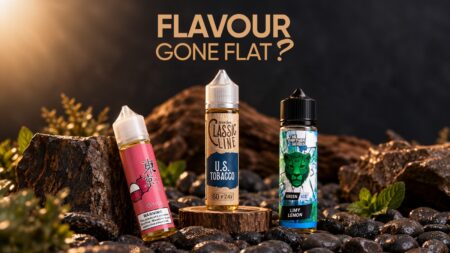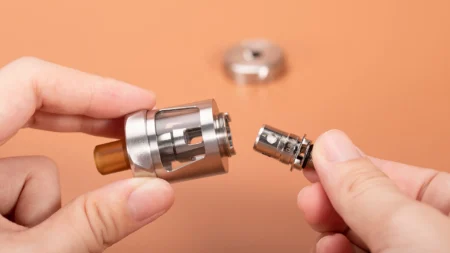


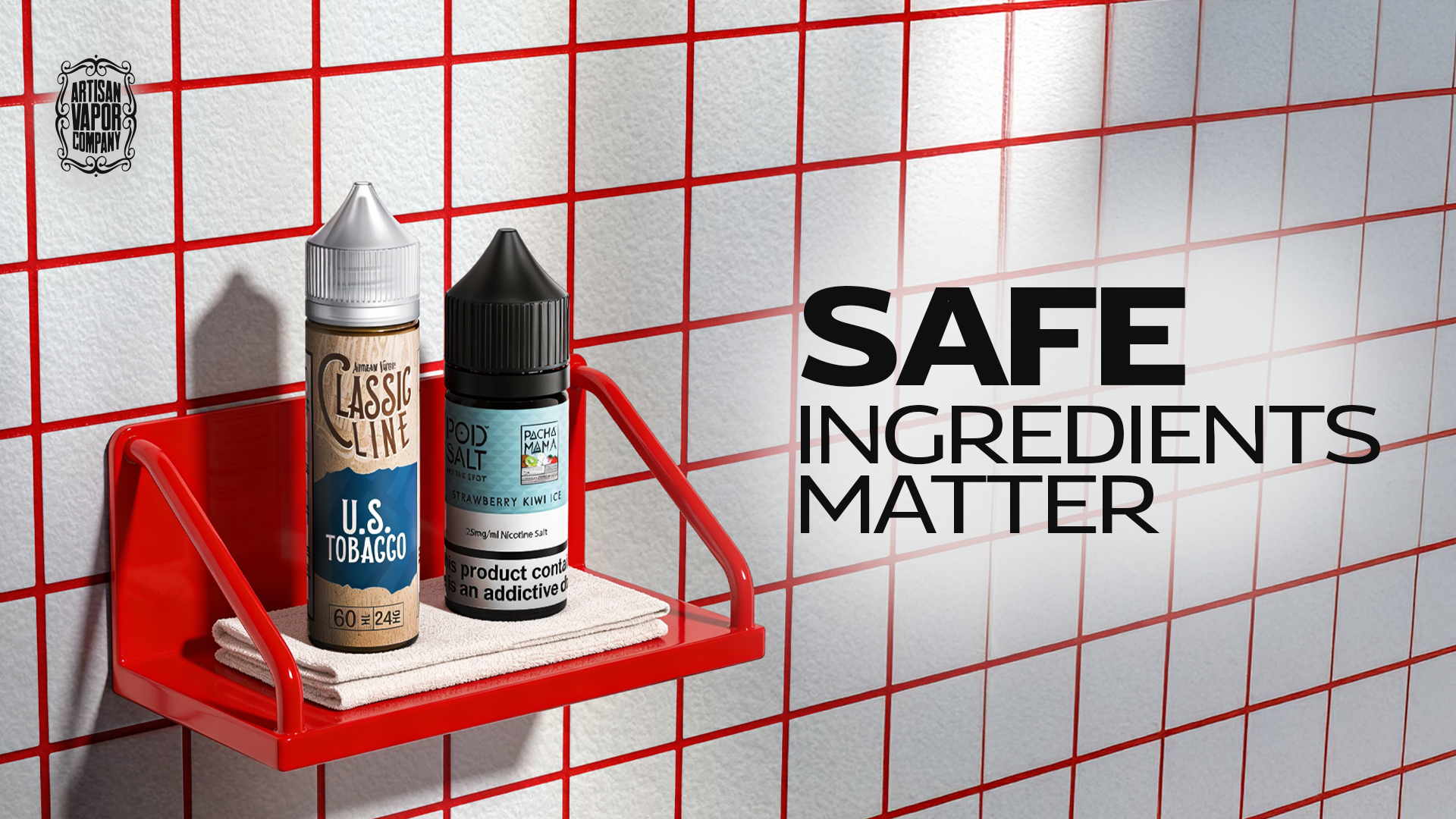
The Safety of vape juice remains a topic of concern for both new and experienced vapers. While e-liquids may seem simple at first glance, the combination of e-Liquid Ingredients, nicotine content, and flavoring compounds can vary widely from one product to another. Understanding what goes into vape juice and how those ingredients behave when heated is essential for making informed choices.
Concerns about Vaping Health, ingredient quality, and potential Vape Risks have made transparency more important than ever. Not all products are manufactured under the same standards, and differences in Vape Composition, Nicotine Levels, and Vape Additives can affect overall e-Liquid Safety. By learning how to identify reliable products and recognize questionable ones, consumers can make smarter decisions that support Safe Vaping practices.
This guide breaks down the core components found in vape juice, explains how Vape Chemicals and Vape Flavoring are used, and highlights the importance of Ingredient Transparency, Vape Standards, and Vape Regulation in reducing potential exposure to Toxic Substances.
What Is Vape Juice Made Of?
Most e-liquids share a simple base formula, but the Vape Ingredients used and their quality can vary significantly.
1. Propylene Glycol (PG)
Propylene glycol is a thin, odorless liquid commonly used in food and pharmaceutical products. In vaping, it carries flavor effectively and contributes to the throat sensation. While considered safe for ingestion, inhalation effects remain a focus of ongoing Vaping Health research.
2. Vegetable Glycerin (VG)
Vegetable glycerin is a thicker liquid derived from plant oils. VG contributes to vapor density and a smoother inhale. It’s widely used in foods and cosmetics, but its behavior when heated is still being studied in relation to Vape Toxicity.
3. Nicotine (Optional)
Not all vape juices contain nicotine, but when present, Nicotine Levels can range from very low to highly concentrated.
4. Flavorings
Food-grade Vape Flavoring is added to create taste profiles. However, not all flavor compounds have been studied equally for inhalation, making Ingredient Transparency especially important.
Why Vape Juice Safety Matters
The Safety of Vape Juice affects more than flavor or device performance; it directly connects to Vaping Health and long-term exposure concerns. When e-liquids are heated, some Vape Chemicals may change form, potentially producing unwanted byproducts.
Poor manufacturing standards can also introduce Toxic Substances, such as contaminants or unlisted additives. This is why Vape Quality and clear Vape Standards are essential for reducing unnecessary Vape Risks.
Understanding e-Liquid and Ingredient Quality
Not all products are made to the same standard. e-Liquid Safety depends heavily on how and where the product is produced.
Key Quality Indicators
- Use of pharmaceutical- or food-grade base ingredients
- Clean, controlled manufacturing environments
- Batch testing for purity and consistency
- Clear labeling of Vape Ingredients
- Child-resistant and tamper-evident packaging
Reputable manufacturers follow established Vape Regulation guidelines that control nicotine strength, bottle size, and labelling requirements in many regions.
Ingredients and Additives to Be Cautious About
Some Vape Additives and flavoring agents have raised health questions in past research.
Examples of Concerning Compounds
- Certain diketones previously used for buttery flavors
- Oils are not intended for inhalation
- Additives are sometimes found in counterfeit or illicit products
While many regulated brands avoid these substances, unverified products may still contain unsafe Vape Chemicals, increasing the risk of Vape Toxicity.
How to Choose Safe e-Liquids
Selecting Safe e-Liquids involves more than picking a flavor.
Look For:
Clear ingredient lists
Clearly stated Nicotine Levels
Manufacturer contact information
Compliance indicators showing adherence to Vape Standards
Evidence of testing or quality assurance
Avoid products with vague labeling, unusually low prices, or no traceable brand information, as these may carry higher Vape Risks and uncertain Vape Composition.
Nicotine Safety and Responsible Handling
Nicotine requires careful handling regardless of delivery method.
- Keep vape liquids away from children and pets
- Avoid direct skin contact with high-strength liquids
- Store bottles tightly sealed
- Choose Nicotine Levels that match your experience and tolerance
Understanding Nicotine Safety is a key part of overall Vape Juice Safety and responsible Safe Vaping habits.
The Role of Regulation in Vape Juice Safety
Government oversight plays a significant role in improving Vape Quality and reducing harmful Vape Chemicals. Agencies such as the U.S. Food and Drug Administration and the Medicines and Healthcare products Regulatory Agency set rules on nicotine concentration, packaging safety, and ingredient reporting.
Although regulations vary by country, legally compliant products are more likely to meet basic e-Liquid Safety standards than unregulated products.
Storage and Everyday Vaping Practices
Even high-quality vape juice can become unsafe if stored improperly.
Best practices for Safe Vaping:
- Store in a cool, dark place
- Keep away from direct heat and sunlight
- Check for unusual color, smell, or separation
- Discard expired or contaminated liquids
Proper storage helps maintain stable Vape Ingredients and reduces the risk of chemical breakdown that could affect Vape Composition.
Final Thoughts
Understanding the Safety of Vape Juice is ultimately about making informed and responsible choices. From examining Vape Ingredients and overall Vape Composition to understanding proper Nicotine Levels, every detail plays a role in determining Vape Quality. Choosing products that provide clear Ingredient Transparency and follow recognized Vape Standards can help reduce unnecessary Vape Risks and support better e-Liquid Safety.
At the same time, Safe Vaping isn’t only about what manufacturers do, but it also depends on user habits. Proper storage, careful handling, and awareness of potential Vape Chemicals, Vape Additives, and other Toxic Substances help reduce avoidable risks. Staying informed about evolving research on Vaping Health, along with understanding Nicotine Safety and current Vape Regulation, helps ensure that decisions are guided by knowledge rather than uncertainty.
FAQs: Safety of Vape Juice
- What does the Safety of Vape Juice depend on?
The Safety of Vape Juice depends on ingredient quality, proper manufacturing standards, and clear labeling of nicotine and additives. - Are all vape juice ingredients safe to inhale?
Not all e-liquid ingredients have been studied equally for inhalation, which is why the Safety of Vape Juice varies by brand and formulation. - How can I check the Safety of Vape Juice before buying?
Look for ingredient lists, stated nicotine strength, compliance with Vape Standards, and signs of lab testing to better assess the Safety of Vape Juice. - Do nicotine levels affect the Safety of Vape Juice?
Yes, higher Nicotine Levels increase the risk of toxicity if misused, making Nicotine Safety an important part of the overall Safety of Vape Juice. - Can poor-quality vape juice contain harmful substances?
Low-quality products may contain unlisted Vape Chemicals or Toxic Substances, which can negatively affect the Safety of Vape Juice.